
Why Early Intervention
The Importance Of Early Childhood Development and Early Intervention
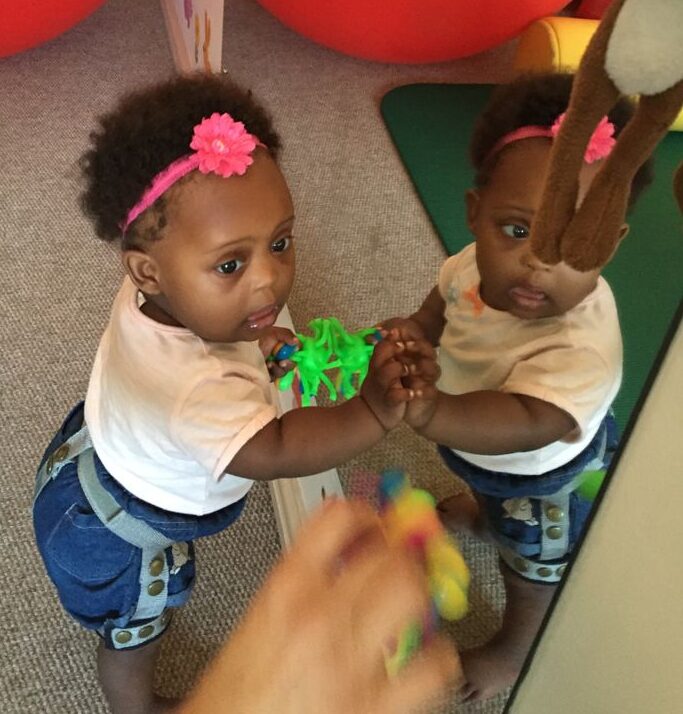
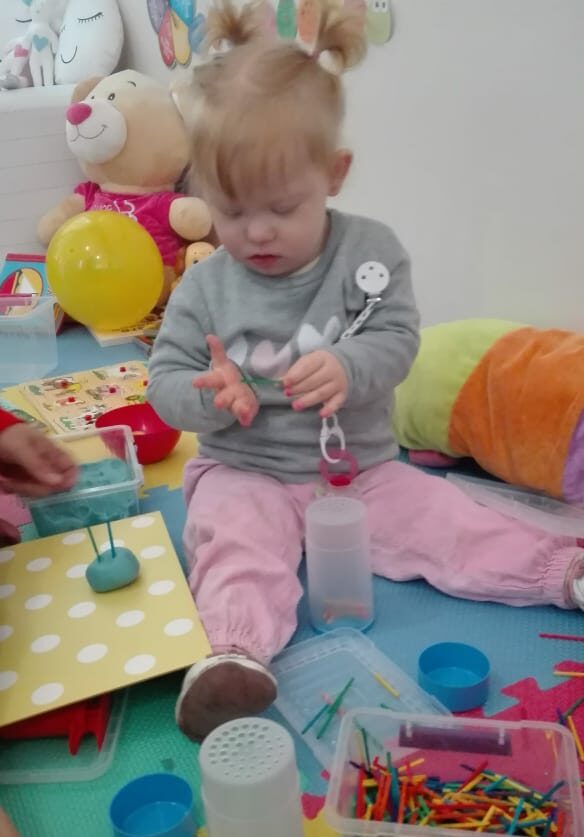
For those not to big on reading or limited on time there are short videos below explaining the most important points on early intervention and early childhood development.
- Early child development (the first 3 to 4 years) sets the foundation for lifelong learning, behaviour and health. The experiences children have in early childhood shape the brain and the child’s capacity to learn, to get along with others, and to respond to daily challenges.
- A child’s early years are the foundation for his or her future development, providing a strong base for lifelong learning and learning abilities, including cognitive and social development.
- By investing in the emotional, social and physical development of young children it has a direct effect on their overall development and on the adult they will become. Hence it is so importance to understand why the need to invest in very young children, so as to maximize their future well-being.
- If you look up intervention it means “coming between” any negative and disabling effect that a developmental delay or disability might have on the developmental process in general of a person. The act of taking action about something in order to have an effect on its outcome, you can change any outcome it just needs you to change you mindset and start, nothing is set in stone.
- Early intervention is a systematic programme of therapies, exercises and activities outlined to address developmental delays experienced by children, yes its would be hard work but most of it is through play and is part of your daily life and routine, it is not a set out time you need each day, and every milestone reached is a celebration no matter how little.
- Intervention is the attempt to minimise the impact of the disability or delay on the child’s development, the earlier you start the better the outcome or at least the impact on the child.
- Success in early intervention is the active involvement and teamwork between everyone involved with the child within their home, school, day care or child-care setting as its crucial to the effectiveness of the outcomes of the intervention.
- Early intervention should not be seen as merely training the child in developmental skills, but intervention directs the way the child perceives, explores and interacts with its surroundings, teaching the child to make choices for themselves which is the start for independence.
- The goals of early-intervention programmes are achieved by providing developmental and therapeutic services for children and support and instructions for their families. Helping families to not have to guess and hope they are making the right choices but informed and guided decisions.
- Involving the whole family in decisions which affect the child is important but make sure that siblings know their value and also with your older special needs child make them part of the discussion seeing that it is about their life after all.
- A child’s growth and development are dependent on the development of the tactile, proprioceptive and vestibular systems, ocular motor coordination and oral structures, so that the child may be sensory modulated in order to participate successfully in an activity.

Our Approach
1 - Your child has been diagnosed or there is a developmental delay.
Either your child was diagnosed by a geneticist or maybe through blood tests by your paediatrician. Remember a diagnosis does not define your child it only makes it easier to know how to approach and start your journey with your child.
2 - Get in touch
If you feel lost or would like to start your journey, feel free to contact me and we can set up an appointment.
3 - Step by step
This will not be a journey you would be taking on alone as no-one should have to do that, every step I would help where I can or refer you to the needed professional, trained in helping special needs kids as not everyone is, and we can work on what the next step should be.